
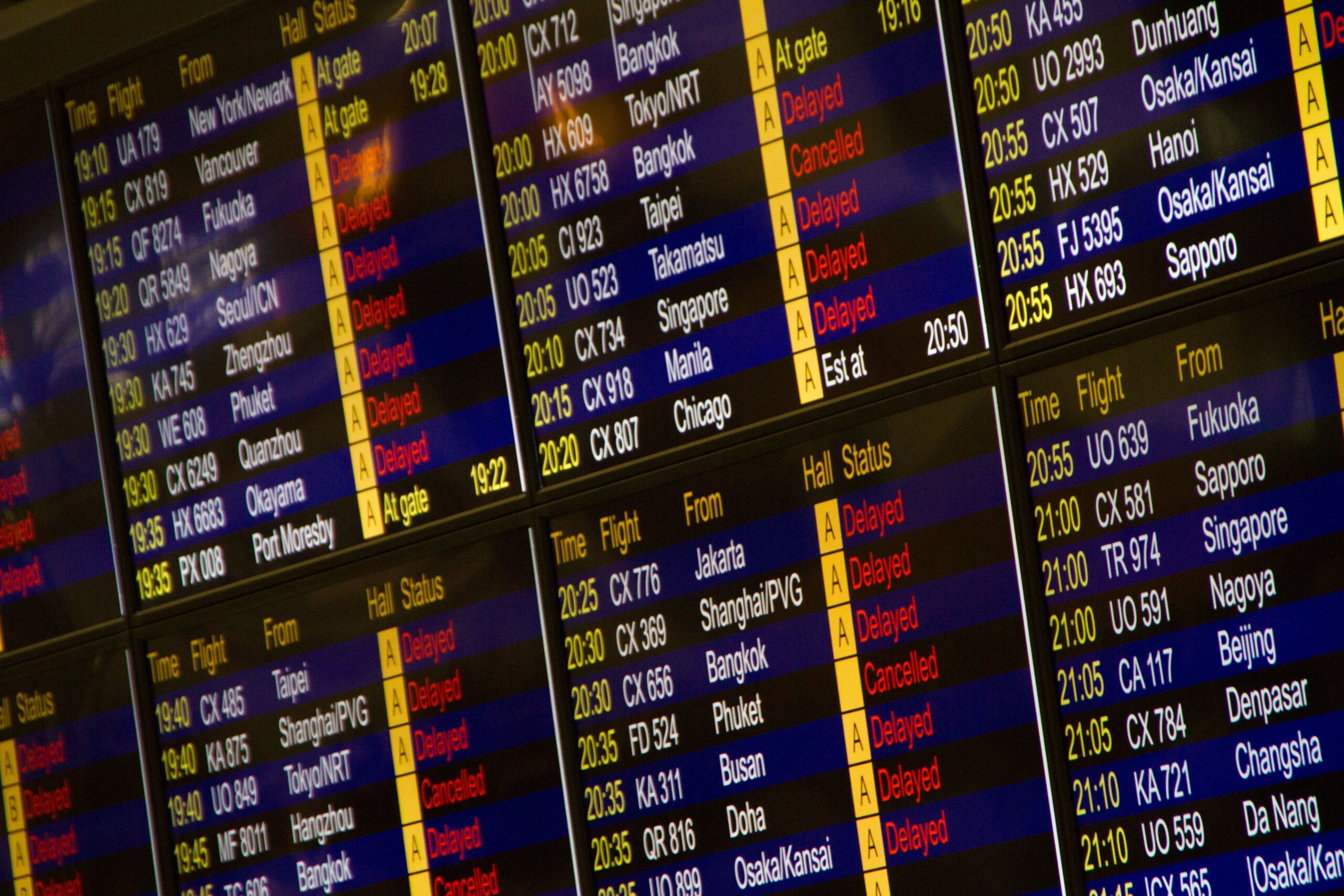
Most business trips are fairly uneventful. A traveller flies, goes to a meeting, checks into a hotel, and, a few days later, goes home. Because these trips often go smoothly, it can be easy to forget the risks associated with employees travelling alone.
The truth is that a delayed flight, a medical emergency, civil unrest or even a lost mobile phone can become a lot more serious with nobody around to help. For organisations operating internationally, protecting employees abroad is no longer a compliance exercise. It is a real responsibility that affects people, operations and business continuity directly.
What Lone Worker Safety Means for International Business Travel
When people hear the term ‘lone worker’, they often think of someone working in a remote location. Actually, the definition is far more expansive. The lone worker may be an employee attending an overseas conference, visiting a client, conducting a site inspection or travelling between countries if they are working without direct supervision or immediate support.
This scenario is where lone worker safety comes into its own. Travelling employees are often in unfamiliar surroundings, different languages, different healthcare standards and local security conditions, and these can be very different from home.
The Biggest Risks Facing Employees Travelling Alone
Medical Emergencies in Unfamiliar Locations
Local health care systems, insurance requirements or appropriate medical facilities may be difficult for travellers to navigate. In some places, the ability to respond to emergencies can differ greatly from one area to another.
Preparation before departure is important, but organisations also need access to support when circumstances change unexpectedly.
Political Unrest and Security Incidents Abroad
Demonstrations, elections, strikes, regional conflicts and security incidents can upend travel plans almost overnight. A week ago, a destination might have been low risk. But when an employee arrives on site, it can look very different.
One reason why many organisations rely on professional Intelligence Services to monitor changing conditions and give timely advice before situations escalate.
Communication Breakdowns During Travel Disruptions
One of the biggest hassles when travelling internationally is staying in touch. It can be tough to check on an employee’s wellbeing when things go wrong with flight cancellations, poor mobile coverage, changing itineraries and time zone differences.
An organisation without clear procedures and reliable means of communication may spend valuable time in an incident trying to establish basic facts.
Increased Vulnerability in High-Risk Regions
Employees travelling to politically sensitive or security-challenged destinations have extra considerations. Operational issues can also arise from crime, infrastructure failures, civil unrest and regional instability.
As covered in Securewest’s article on Managing Operations in High-Risk Regions, situations can change fast, and real-time awareness is critical for both travellers and decision-makers.
Why Lone Worker Safety Is a Growing Business Priority
Employers have a responsibility to take reasonable steps to protect travelling employees. That responsibility extends beyond booking flights and hotels. It includes understanding potential risks, providing appropriate support, and ensuring staff have access to assistance when required.
The consequences of inadequate preparation can be significant. Aside from the impact on employee wellbeing, organisations may face operational disruption, reputational damage, financial costs, and difficult questions about whether appropriate precautions were taken.
Recent years have also highlighted how quickly international risks can develop. Health emergencies, geopolitical tensions, cyber threats, extreme weather events, and transport disruptions have all reinforced the need for a more proactive approach.
The Role of Lone Worker Monitoring in Travel Risk Management
Travel policies remain important, but documents alone cannot respond to unfolding events. Modern organisations increasingly use lone worker monitoring to maintain visibility of employees travelling abroad and to support faster decision-making when incidents occur.
Real-Time Visibility
Knowing where employees are, whether journeys are progressing as planned, and whether assistance may be required can significantly improve incident response. Effective employee tracking helps organisations maintain situational awareness while reducing uncertainty during emergencies.
Faster Escalation and Support
When an incident occurs, speed matters. Access to current traveller information allows organisations to verify welfare, communicate with affected employees, and coordinate support far more efficiently than relying on manual updates alone.
Common Gaps in Lone Worker Protection Strategies
Many organisations already have travel policies in place, yet important gaps often remain. One common issue is limited visibility once employees leave their home country. Another is over-reliance on manual check-ins, which can easily fail during periods of disruption.
Businesses also frequently underestimate the value of around-the-clock support. Emergencies do not wait for office hours, and incidents often occur when key personnel are unavailable.
Many of these challenges are discussed in Securewest’s article on Common Travel Risk Gaps Companies Overlook, which highlights several weaknesses that can leave organisations exposed during a crisis.
Best Practices for Improving Lone Worker Safety Abroad
Strong programmes begin before an employee leaves home. Risk assessments should consider destination-specific threats, healthcare infrastructure, transport reliability, cultural considerations, and any current security concerns.
Employees should understand reporting procedures, escalation routes, and available support resources. Technology can also play an important role through traveller alerts, communication platforms, and location-based tools.
Most importantly, organisations should integrate lone worker protection into their wider travel risk management framework rather than treating it as a separate process.
A structured Travel Risk Management programme supported by intelligence, planning, and operational oversight provides a far stronger foundation for international travel.
Building Safer Travel Programmes
The most effective travel programmes combine preparation with ongoing support. Access to timely intelligence, continuous monitoring, and professional Crisis Response capabilities allows organisations to react quickly when situations change.
International travel will always involve uncertainty. The goal is not to eliminate every risk but to ensure employees are never left to face those risks alone.
By combining practical planning, real-time awareness, and reliable support, organisations can strengthen traveller safety while meeting their wider duty of care solutions obligations. For globally mobile workforces, that approach delivers reassurance not only for employees, but for the business as a whole. To find out more, contact our team today.