
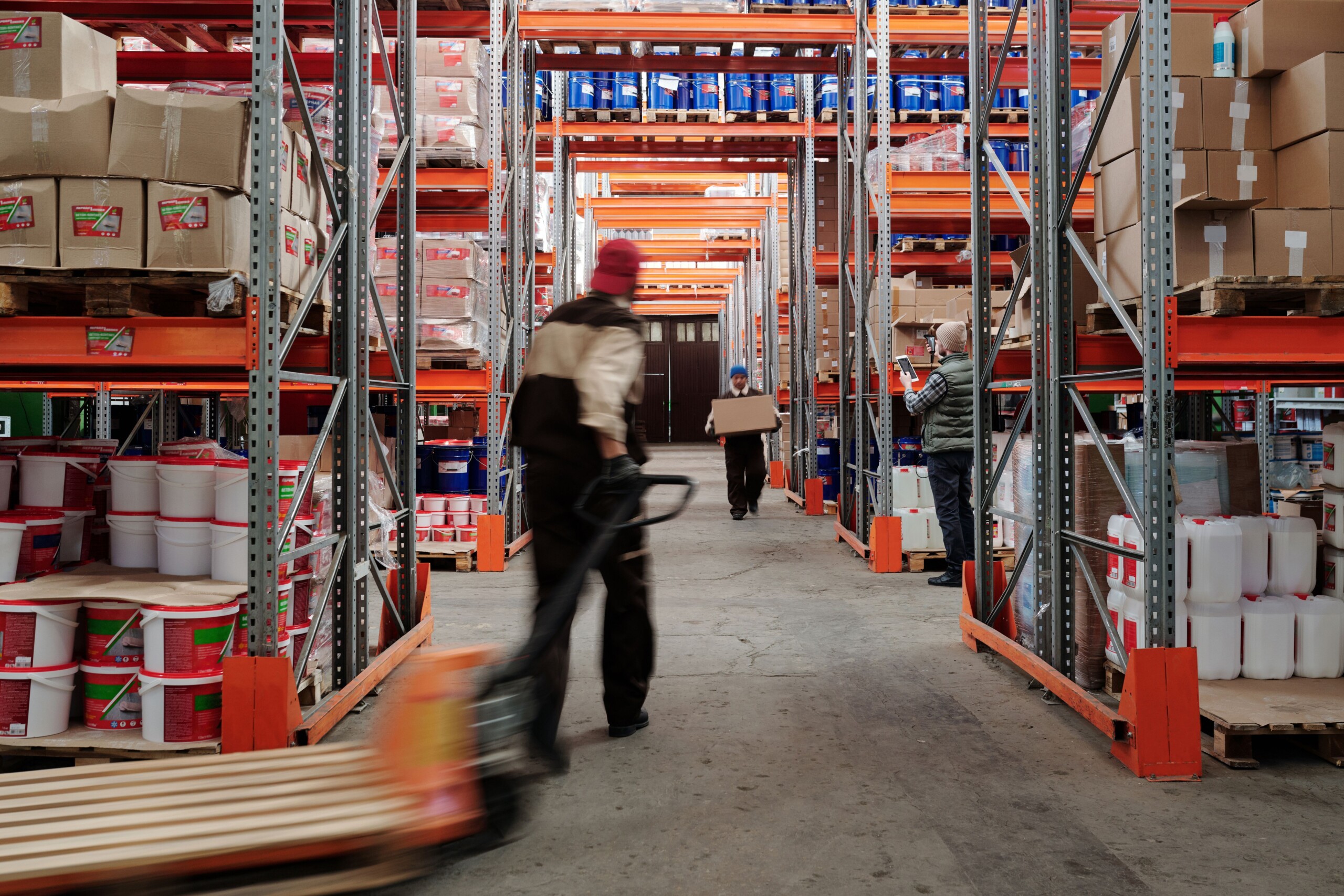
The weakness has always been a feature of world supply chains. A delayed ship, an unstable border or trouble with a key supplier can quickly create headaches further down the line. What has changed is the number of risks companies are managing simultaneously and the interdependence of those risks.
Political instability can change shipping routes overnight. A cyber attack could take out a port or logistics system without anyone ever approaching the facility. Civil disorder, organised crime and evolving regulations can all impact the same journey. So for international organisations, supply chain security is becoming less about protecting individual assets and more about understanding the full operational picture.
Why Supply Chains Have Become More Vulnerable
Modern supply chains depend on a wide web of suppliers, goods operators, ports, technology providers and contractors, often spread across multiple countries. Connectivity has, of course, commercial benefits, but it also creates dependencies. Supply chain risks can come from within the organisation or from outside, such as suppliers, customers, regulators and broader economic or environmental conditions, Gartner said. A problem in one part of the network can quickly spread to other parts of it.
That’s why supply chain risk management starts with understanding exposure, not just reacting to disruption. Supplier audits, vulnerability assessments, continuity planning and scenario exercises can all help organisations understand where problems are most likely to arise.
The Biggest Security Risks Facing Global Supply Chains Today
Geopolitical Instability and Regional Conflict
Geopolitical tension is one of the clearest examples of how quickly operating conditions can shift. Ports, airspace, roads and border crossings can be affected by conflict, sanctions, elections, civil unrest and diplomatic disputes. A route that was fine when a shipment left could be vastly different several days later.
Static assessments often do not suffice for organisations managing operations in high-risk regions. Decision-makers need timely information, as well as contingency plans that can be revised as conditions change.
Cargo Theft and Organised Crime
Physical crime remains an ongoing concern. Cargo theft, armed robbery, smuggling and piracy can endanger goods, vehicles, vessels and personnel. Things get particularly tricky at sea. Securewest has looked at why maritime threats are becoming harder to predict, with traditional threats such as piracy and armed robbery increasingly coupled with geopolitical, technological and cyber risks.
Strong logistics security therefore depends on knowing where assets are moving, the threats associated with specific routes and what support is available should circumstances deteriorate.
Securewest’s maritime security services include port and route threat assessments, regional risk assessments and bespoke intelligence reporting to assist organisations in making informed decisions.
Cyber Attacks on Interconnected Systems
Supply chains are physical networks, but they are also becoming increasingly digital networks. Ports, vessels and logistics operators rely on connected systems for navigation, communications, cargo management and day-to-day operations. And that connectivity brings vulnerabilities from phishing and ransomware to hacked third-party systems and GPS manipulation.
One challenge is that cyber and physical risks are no longer clearly distinct. A digital incident can cause a very real operational problem, and geopolitical events can increase the chances of cyber disruption. Cyber security can therefore be considered somebody else’s IT problem, leaving a major gap in wider resilience planning.
The Cost of Poor Visibility
Not all supply chain events are a crisis. But even quite manageable problems are much harder to handle without good information. Disruption at a port could delay deliveries, raise costs and leave customers in the lurch. A sudden security incident may force operations to be temporarily suspended or rerouted. When decision-makers are dealing with inaccurate or delayed information, they are debating what is actually happening as the situation moves on.
This is where global supply chain risks become a broader business issue. There may be financial loss, problems with contracts, damage to reputation and disruption to staff and goods. Visibility matters because it provides organisations with options. More warning provides more time to divert, evacuate personnel, halt activity or activate contingency plans.
Moving From Reactive to Proactive Risk Management
With security, the temptation is to plan for the last incident. The problem is that the next disruption could look completely different. A stronger approach starts with a mapping of vulnerabilities across suppliers, routes, sites and systems. Gartner recommends evaluating the materiality of identified risks, documenting existing controls, and identifying where significant exposures require additional resources.
Scenario planning is also helpful here. While organisations can’t predict every crisis, they can pre-determine who makes the decision, how an issue is escalated and what happens if a critical supplier, route or system suddenly goes down. Securewest’s intelligence services underpin this approach, turning intelligence from multiple reliable sources into contextualised, actionable insight. Rather than another stream of generic alerts, intelligence can help decision-makers understand which developments matter to their people, assets and operations.
Building Resilience Into Everyday Operations
Good operational risk management works best when security is part of normal decision making, rather than something that is brought in once the emergency has already started. That means monitoring conditions as they evolve, having clear escalation procedures and ensuring the right teams know how to respond. And don’t forget third-party vulnerabilities. A business might have excellent internal controls but still depend on a supplier, transport provider or technology platform with very different levels of readiness.
Prevention is as important as response arrangements. Securewest’s 24/7 Global Response Centre aims to provide continuous incident support, triage and crisis coordination, working alongside internal teams, insurers, medical providers and other partners as needed. Having that structure in place already can save valuable time when an incident crosses borders, involves staff or takes place outside normal working hours.
Staying Ahead of Supply Chain Threats
There is no way to eliminate all of the risk in an international supply chain. And avoiding every tough market isn’t necessarily the answer, either. The good ones know what they are exposed to and what risk they are willing to accept and put sensible controls around that. The key is to be sensitive to changes. Routes change, political conditions change, cyber risks and criminal activity change, and assessments and contingency plans need to change with them.
Securewest International offers tailored intelligence, maritime expertise, and 24/7 incident support, enabling organisations to spot emerging threats earlier and react with greater confidence. If you would like to strengthen visibility and resilience across your international operations, contact Securewest International to discuss the risks facing your organisation.