
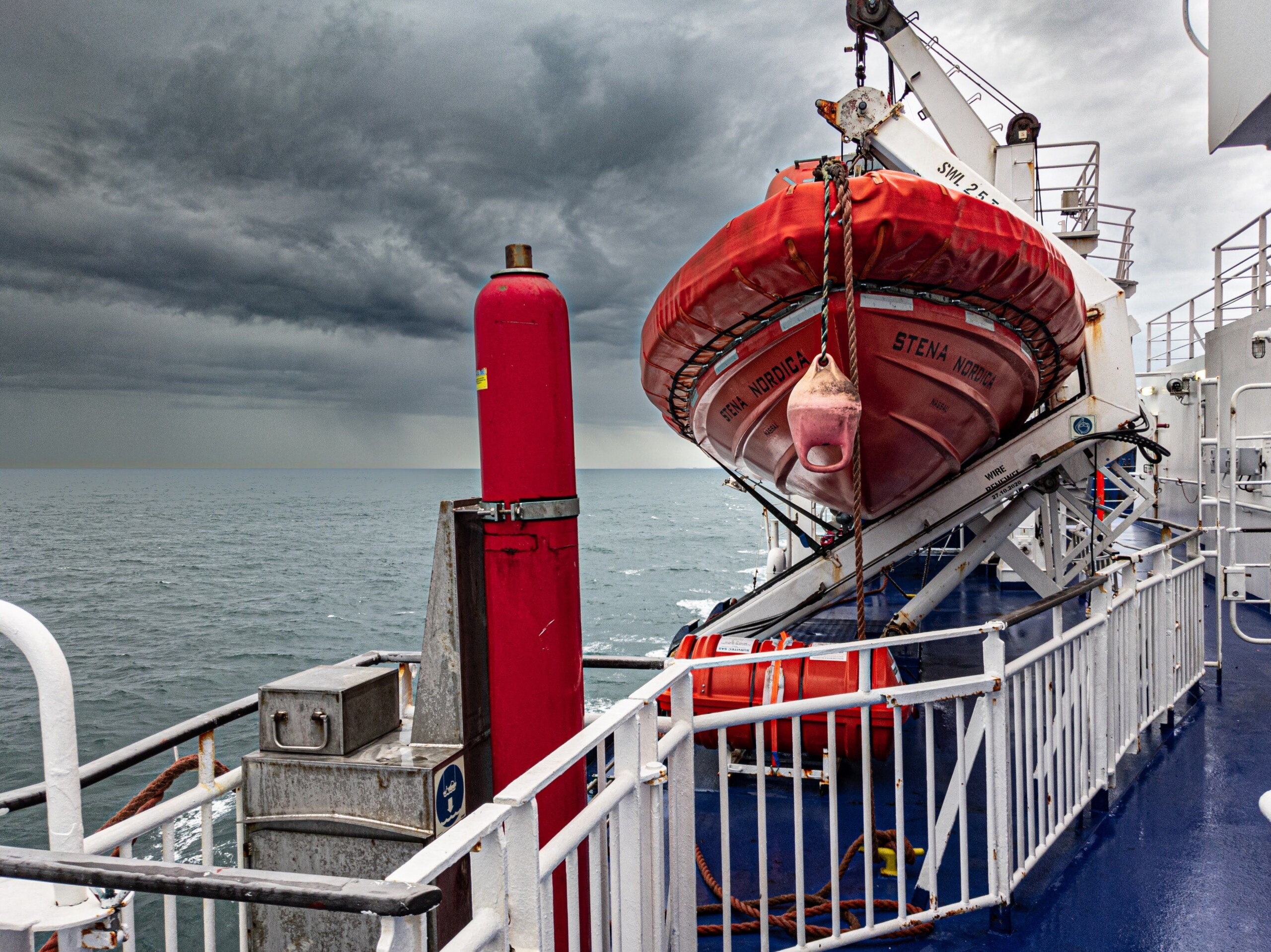
Security at sea has never been static. A route that looked relatively straightforward six months ago can become more complicated after a political shift, a rise in piracy or armed robbery, or disruption around a key port.
That is why a maritime security assessment should be viewed as more than a compliance exercise. Done properly, it gives operators a clearer picture of what could go wrong, where a vessel may be exposed and what can realistically be done about it.
What Is a Maritime Security Risk Assessment?
A maritime risk assessment looks at the threats surrounding a vessel or operation and considers them against existing vulnerabilities and security measures. For vessels covered by the International Ship and Port Facility Security (ISPS) Code, security assessment also has a formal regulatory role. UK Maritime and Coastguard Agency guidance describes the Ship Security Assessment as an essential part of developing and updating a Ship Security Plan (SSP).
What A Maritime Security Assessment Evaluates
The basic idea is straightforward, identify credible threats, understand where the vessel is vulnerable and consider the possible consequences. That can mean looking at piracy and armed robbery, terrorism, smuggling, insider threats and local instability. Increasingly, it also means considering how physical risks overlap with digital systems and communications. Securewest has explored this changing picture in our article on why maritime threats are becoming harder to predict.
When Should a Vessel Undergo a Security Risk Assessment?
There is no value in treating an assessment as something completed once and then filed away. Security conditions change, sometimes quickly, and the assessment needs to remain relevant to the vessel’s actual operating environment.
Before Operating in a New or High-Risk Region
Entering unfamiliar waters is an obvious point to reassess risk. Local piracy patterns, political tensions, port security, crime and access to assistance can differ considerably between regions. Securewest’s maritime security services support operators dealing with these kinds of changing operating environments.
When Maritime Threats or Geopolitical Conditions Change
Regional conflict, sanctions, civil unrest or a change in criminal activity can alter the threat picture remarkably quickly. An assessment that was suitable for a previous voyage may therefore need revisiting when intelligence suggests conditions have changed.
Following a Security Incident or Attempted Attack
An attempted boarding, suspicious approach or other security event can reveal weaknesses that were not obvious beforehand. Reviewing the assessment afterwards gives operators an opportunity to understand what happened and whether procedures, equipment or crew readiness need to change.
When a Vessel, Route, Crew or Operating Profile Changes
Changes onboard matter too. A new route, different cargo, altered crew profile or modifications to the vessel can introduce vulnerabilities that were not considered previously.
When an Existing Assessment Is Outdated or No Longer Reflects Current Risks
Even without a major incident, assessments should be reviewed periodically. The ISPS framework itself treats security as a risk-management activity, with measures adjusted as threats and vulnerabilities change.
What Does a Vessel Security Assessment Cover?
A good vessel security assessment goes beyond producing a list of things that could potentially happen. It connects threats to the vessel’s actual circumstances.
Identifying Potential Threats to the Vessel and Crew
This starts with understanding credible threats along the intended route and at ports of call. Depending on the voyage, that could include piracy, armed robbery, terrorism, smuggling or wider geopolitical instability.
Assessing Vulnerabilities and Existing Security Measures
Next comes the vessel itself. Existing procedures, access controls, communications, physical protection and crew preparedness all need consideration. Technology is increasingly part of that picture. As Securewest discusses in our article on maritime digitalisation and communications, connected systems bring considerable operational benefits but can also create new dependencies and vulnerabilities.
Older technology deserves attention as well. Securewest’s discussion of legacy ship systems and cyber risk highlights how ageing systems may lack modern controls or be difficult to patch.
Evaluating Routes, Ports and Operating Environments
Risk does not stop at the vessel’s railings. Routes, ports, anchorages and nearby political or security developments all affect exposure. This is where current intelligence becomes particularly valuable.
Developing Practical Recommendations to Reduce Risk
The findings then need to become action. Recommendations might involve changes to access procedures, crew briefings, watchkeeping, communications, physical protection or voyage planning. The aim is proportionate risk reduction, rather than adding measures simply for the sake of it.
Why Regular Maritime Risk Assessments Matter
The threat picture moves too quickly for operators to rely indefinitely on old assumptions. Regular assessment creates an opportunity to check whether existing measures still match the risks a vessel is actually facing, rather than the risks it faced on a previous voyage.
Improving Preparedness for Evolving Maritime Threats
Regular review helps crews and operators spot where their security posture has fallen behind changing conditions. It also gives them time to make adjustments before entering a higher-risk environment, rather than having to react once a problem is already developing. This matters when threats can change quickly. A shift in piracy activity, regional instability or disruption around a port may require different procedures, briefings or contingency planning from one voyage to the next.
Supporting Informed Security and Operational Decisions
Good information makes practical decisions easier. Securewest’s Intelligence Services combine route-specific and regional analysis with sources including AIS tracking, satellite feeds and on-the-ground monitoring to provide contextualised intelligence.
That context can support decisions around routing, ports, security arrangements and contingency planning. Rather than making those calls from a generic threat picture, operators can consider what is happening along the vessel’s particular route and what it means for that voyage.
Strengthening Protection for Vessels, Crew and Assets
Ultimately, assessment is about protecting people and keeping operations moving. Better preparation can reduce exposure while helping crews understand what is expected of them if conditions deteriorate. It can also highlight smaller weaknesses before they become serious ones. Gaps in access control, watchkeeping, communications or onboard procedures are easier to address during planning than during an unfolding security incident.
When Should You Use a Maritime Security Specialist?
Some assessments can be managed internally. Others benefit from expertise outside the organisation, particularly where the operating picture is complicated or the available information is changing quickly.
The question is less about handing responsibility elsewhere and more about recognising when additional intelligence, regional knowledge or security experience could improve the decisions being made onboard and ashore.
Assessing Complex or High-Risk Operating Environments
High-risk regions, unfamiliar ports and rapidly changing geopolitical situations can make threat assessment difficult without specialist support. In these environments, the risks may involve several factors at once, from piracy and organised crime to political instability, conflict or disruption around strategic maritime routes.
A specialist assessment can help separate relevant threats from background noise and consider them against the vessel’s route, cargo, profile and existing security measures. This makes the resulting recommendations more useful to the actual voyage.
Accessing Specialist Intelligence and Regional Expertise
Historical incident data is useful, but it only explains what has already happened. Where conditions are changing, operators also need an understanding of current activity and the wider regional context.
Specialists can bring together maritime intelligence, local developments, route information and vessel-specific factors to build a more complete picture. That additional context is particularly valuable when deciding whether existing precautions remain proportionate or need to be strengthened.
Turning Assessment Findings Into Practical Security Measures
An assessment only has value when its findings can be used. Specialists can help translate identified vulnerabilities into proportionate procedures, planning and physical security measures that make sense onboard.
That might mean reviewing access arrangements, watchkeeping, crew drills, communications, routing or contingency procedures rather than simply producing a long list of risks. The aim is to leave the master, crew and shoreside team with measures they can realistically put into practice.
For vessels subject to the ISPS Code, a formal ship security assessment also forms an integral part of developing and updating the SSP. Current UK Government maritime security guidance provides further information on these requirements.
Keeping Vessel Security Risks Under Review
Maritime security works best when it is proactive. Waiting for an incident to expose a weakness is a costly way to discover that an assessment no longer reflects reality. Routes change. Crews change. Technology changes. Threat actors change too.
Keeping risk under review gives operators the chance to adapt before those changes become a problem. With intelligence-led assessments and practical security planning, Securewest International helps maritime organisations understand their exposure and make informed decisions about protecting vessels, people and operations.
To discuss the risks affecting your fleet or upcoming voyages, contact Securewest International.