
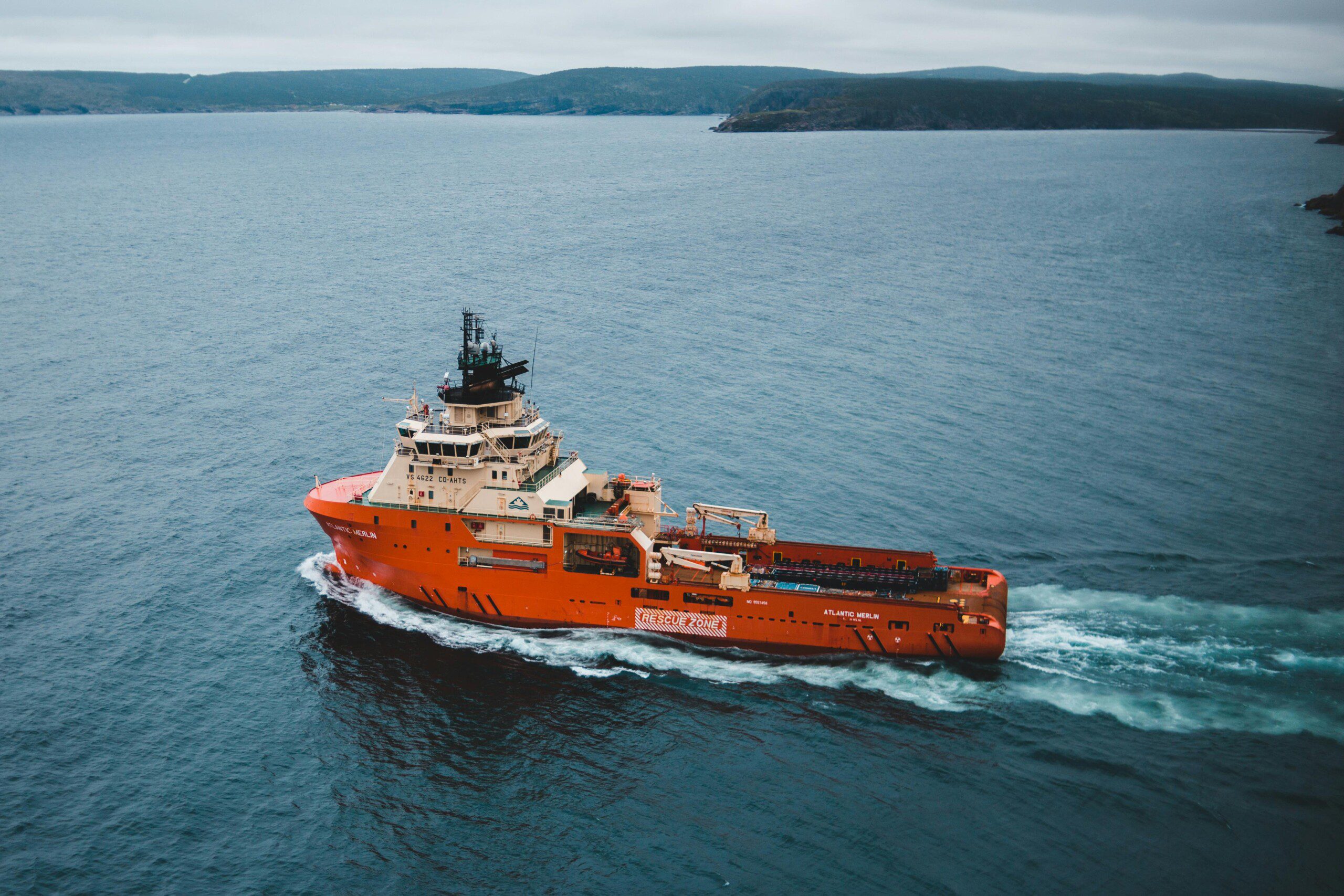
Things happen quickly when something goes wrong at sea. Within minutes, a routine journey can become a critical situation due to a fire, collision, medical emergency, or mechanical failure. Whether an incident stabilises or escalates is often determined by what transpires during the first hour.
Early on, coordination and clarity are crucial for offshore crews and vessel operators. Crews must take immediate action, shore teams must obtain trustworthy information, and prompt engagement of specialised support may be necessary. Organisations can better prepare before an incident happens by knowing how this window develops.
Understanding Emergency Maritime Response
What Emergency Maritime Response Really Means
Practically speaking, emergency maritime response refers to the coordinated actions carried out right away following a significant maritime incident. The priorities are straightforward: save lives, stabilise the vessel, and stop the situation from getting worse.
In contrast to regular operations, emergencies necessitate quick decisions under duress. Crew members evaluate onboard hazards, adhere to established protocols, and stay in close contact with authorities and shore teams.
To handle these circumstances, many operators rely on expert monitoring and coordination. In order to help with decision-making in the early phases of an incident, Securewest offers intelligence, monitoring, and crisis coordination support.
Why the First 60 Minutes Are Critical
The most uncertain period following an incident is frequently the first hour. Crews are attempting to comprehend the scope of the issue, conditions may still be changing, and information is insufficient.
What happens later is shaped by early decisions. They have an impact on whether the vessel stays stable, whether pollution hazards arise, and whether outside help is needed.
Within minutes, specialised response teams can start analysing vessel data. Experts can quickly evaluate drift patterns, stability changes, or flooding risk using pre-prepared vessel models, providing operators with the information they require while time is still of the essence.
The Difference Between Immediate Response and Long-Term Recovery
The longer recovery phase differs greatly from the first-hour response. Containment and stabilisation are the main goals of the immediate response. Crews put safety first, manage risks, and make sure the correct information gets to shore.
Salvage operations, environmental management, and lengthy regulatory procedures can all be part of long-term recovery. However, the choices made in the first hour often determine their success.
The Typical Timeline in the First 60 Minutes
Alert and Detection: Initial Incident Notification
An onboard alert is the first step in the majority of maritime incidents. A security system might send a signal to shore, equipment sensors might sound an alert, or a crew member might report an injury.
When something significant happens, vessels can covertly alert authorities and monitoring centres thanks to systems like the vessel security alert system. Securewest’s monitoring capabilities help guarantee that alerts are promptly received and escalated, informing the appropriate authorities and vessel managers.
Early detection is crucial. Response teams are unable to take action until they are aware that an incident has occurred.
Confirming the Situation and Risk Assessment
Verifying the situation is the next top priority after receiving an alert. First reports are frequently lacking. The type of incident, its location on board, and any injuries must be promptly determined by the crews. Shore teams start evaluating the broader operational risks in the interim.
This could entail assessing the stability of the vessel, possible effects on the environment, or the possibility of additional damage. Decision-makers can choose the best course of action with quick analysis.
Mobilising the Emergency Response Team
The response network is turned on once the situation has been verified. Emergency teams, rescue services, crisis managers, and technical advisers may be involved. In order to facilitate prompt mobilisation of support, shipping organisations usually uphold organised communication protocols.
Securewest facilitates escalation by providing organisations with integrated monitoring and coordination capabilities that improve incident management.
Key Actions Taken in Early Maritime Emergencies
Safety of Crew and Vessel First Response
The first priority is always the safety of the crew. Isolating damaged systems, attending to injuries, putting out fires, or securing dangerous areas are examples of initial actions. In certain cases, medical care must start right away while evacuation preparations are made.
The intricacy of these circumstances is demonstrated by actual incidents. Responders stabilised a critically injured seafarer deep within a vessel in one offshore incident close to South Africa before performing a rope extraction through tight spaces and moving the victim to a rescue craft in choppy waters.
Communication With Shore and Coordination Centres
During the first hour, trustworthy communication is essential. The vessel needs to stay in touch with authorities, support teams, and coordination centres. This permits the deployment of rescue services or other resources while allowing experts to offer guidance.
Securewest uses intelligence-driven monitoring to assist this process. Organisations are able to see evolving incidents more clearly thanks to solutions like those found in our security risk intelligence services.
Deploying Emergency Resources and Support
Additional resources can be used after the situation has been evaluated. Rescue vessels, helicopters, medical teams, and expert technical advisors are a few examples of this. Additionally, some operators rely on technical response services that can analyse vessel stability or make real-time drift predictions.
The objective is straightforward: bring the right expertise into the response as quickly as possible.
Common Challenges in Early Maritime Emergency Response
Coordination Between Multiple Agencies
Multiple organisations are frequently involved simultaneously in maritime incidents. Within the first hour, ship operators, coastguards, rescue services, insurers, and technical experts could all get involved. Coordination can become challenging and cause important actions to be delayed in the absence of clear communication structures.
Poor Training and Procedure Gaps
If crews are not familiar with emergency protocols, even well-equipped vessels may encounter difficulties. Complex incidents frequently reveal training deficiencies or ambiguities regarding roles. Crews are better able to react under pressure when they participate in regular drills and realistic scenario exercises.
Environmental Factors that Complicate Response
Response efforts can be greatly impacted by the weather and sea conditions. Responders may need to stabilise the situation until conditions improve if rescue operations are delayed or medical evacuations are complicated by strong winds, large waves, or poor visibility.
The Role of Consulting and Preparedness in Response
How Maritime Emergency Response Consulting Adds Value
Improving results is largely dependent on preparation. Organisations can identify vulnerabilities, create organised response plans, and make sure protocols comply with international maritime safety regulations with the assistance of specialised maritime emergency response consulting.
Training and Simulation Before Crises Occur
Practical training is another aspect of preparation. Ship and shore teams can test communication systems, practise making decisions under pressure, and rehearse realistic scenarios through simulation exercises. When actual situations arise, these exercises improve coordination.
Lessons From Real-world Emergency Scenarios
Every maritime incident provides lessons. Post-event reviews frequently show how communication breakdowns or delays led to escalation. Operators can improve processes and lower risks in the future by analysing these occurrences.
Strengthening Maritime Preparedness
Ship and shore teams must be prepared, coordinate, and communicate clearly in order to respond to maritime emergencies effectively.
Securewest provides monitoring, intelligence, and crisis coordination services to help organisations operating in complex environments. Companies wishing to improve readiness can visit Securewest, look into services like emergency response and crisis management, or get in touch with the team.
Even major maritime incidents can be handled more skilfully with proper planning, starting in the first hour.