
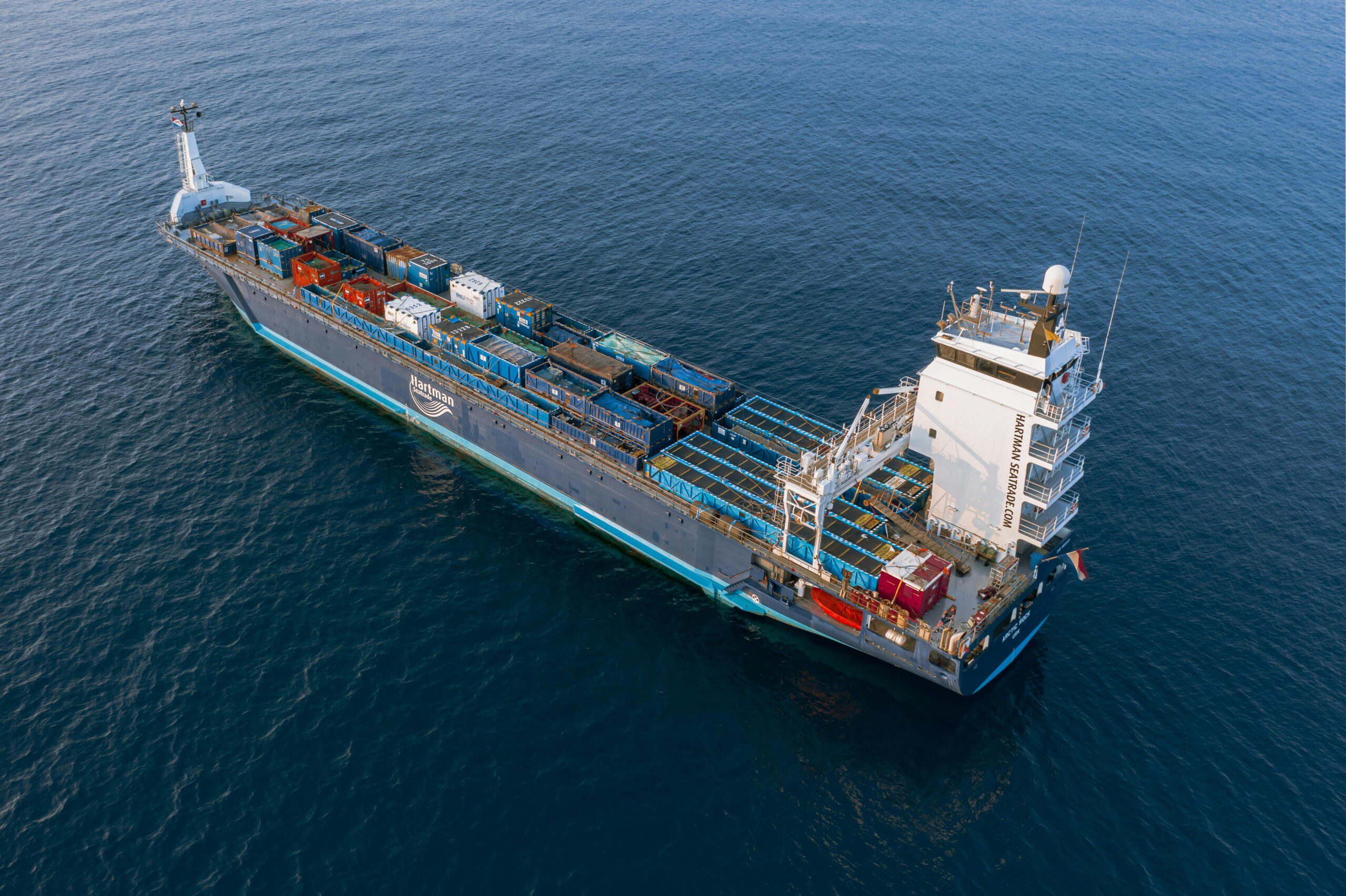
Shipping is always active. Vessels are constantly traversing oceans, getting close to crowded ports, negotiating hazardous waters, or handling intricate crew transfers in foreign countries. There are no convenient office hours to wait for when anything goes wrong. Support needs to be prompt, knowledgeable, and composed. For this reason, international operators no longer consider round-the-clock maritime assistance to be a luxury. It is an essential component of operations.
The Reality of Global Vessel Operations
Operating Across Time Zones and Risk Environments
A ship leaving West Africa might be in communication with port agents in Asia, underwriters in Scandinavia, and management in London. In Dubai, crew rotations may depend on a flight connection. Rapid changes occur in weather systems. Tensions in a region might suddenly rise.
The maritime environment is operationally layered in addition to being geographically expansive. Superyachts, offshore projects, support vessels, and commercial transportation all operate concurrently under several different legal frameworks and risk environments. Dependence on local office hours or one-point decision-makers makes one vulnerable in these circumstances. Constant supervision is necessary for international vessel operations.
Why Incidents Require Immediate, 24/7 Response
Whether it’s an SSAS activation, a crew medical issue mid-voyage, an unexpected route diversion owing to pirate risk, a fire alarm in the early hours of the morning, or a communication outage offshore, an alert rarely comes at a convenient time.
Delay raises the risk in those initial minutes. Expert round-the-clock assistance guarantees that each alarm is promptly examined, confirmed, and escalated upon occurrence. Often, the speed at which professional assistance is provided makes the difference between a confined issue and a major one.
Increasing Complexity in Maritime Risk Management
Fleets nowadays are highly regulated and have sophisticated technology. Operators are required to manage cyber risks, adhere to the ISPS Code, meet SOLAS regulations, and maintain situational awareness in real time.
Additionally, ships depend on worldwide crew logistics, integrated tracking systems, and satellite connectivity. Because of this intricacy, structured maritime risk management is crucial. Even minor disturbances have the potential to rapidly worsen in the absence of ongoing monitoring and a coordinated response capacity.
What 24/7 Maritime Assistance Provides
Overview of Maritime Assistance Services
Coordination, technical know-how, intelligence, and monitoring are all integrated into a unified framework for effective marine support.
This may consist of:
- 24/7 SSAS monitoring and escalation
- Vessel tracking and route oversight
- Security advisory and threat assessments
- Incident triage and coordination
- Travel and crew movement support
- Remote technical guidance for onboard systems
Through its specialised Global Response Centre, Securewest International provides these capabilities, guaranteeing prompt access to skilled responders wherever boats are in operation. Learn more about Securewest’s maritime security services.
Continuous Monitoring and Operational Support
Continuous monitoring is far more than watching a screen. Individual availability is not a factor when SSAS warnings are fed straight into a specialised monitoring facility. Real-time alert reviews are conducted. Notification is given to authorities in accordance with flag state laws. In accordance with established procedures, owners and vessel management are notified.
This method lowers the possibility of delayed escalation or missing alarms. By enhancing operational resilience, Securewest’s specialised ship security alert system (SSAS) monitoring makes sure ships continue to adhere to SOLAS.
Continuity of travel and crew logistics is also supported by 24-hour monitoring. Prompt action avoids expensive interruption when planes are cancelled or documentation problems occur.
Decision-Making Support During Critical Incidents
During a casualty, the first hour is critical. Operators may experience growing pressure and incomplete data. Clarity is provided by expert assistance. Responders assist with ship-to-shore alignment, communicate with authorities, advise on communication strategy, and evaluate severity.
Onboard leadership is strengthened, not replaced, by a formal maritime assistance service. It guarantees that choices are well-researched, quantified, and consistent with industry best practices.
The Importance of Immediate Emergency Response
How Delays Increase Operational and Safety Risks
A delayed reaction can soon get out of hand. Authorities might not be informed in a timely manner if an SSAS activation is not handled right away. Evacuation plans may be postponed if a medical emergency is not handled quickly. Costs may increase if calculations for flooding or instability are not done in a timely manner.
Coordination and quickness are key components of the maritime emergency response structure. Although established escalation procedures, GMDSS systems, EPIRBs, and satellite alerts are intended for quick action, they only work when used without hesitation.
Preventing Escalation Through Rapid Intervention
The objective of 24/7 support is not simply to react, it is to prevent escalation.
Verification early on avoids needless anxiety. Alignment is ensured via prompt communication with the Coast Guard. The whereabouts of the vessel is confirmed via real-time tracking. Between ship and land, clear communication minimises misunderstandings.
Potential crises are transformed into controllable situations with prompt intervention. In areas with a greater baseline security risk, proactive emergency maritime response coordination is especially crucial.
Common Scenarios Requiring Emergency Maritime Response
Structured intervention is often necessary in certain situations:
- Activations of SSAS in high-risk waters
- Coordination is necessary for mechanical failure.
- Medical evacuations from isolated maritime regions
- Onboard fire or flooding accidents
- Crew travel disruptions affecting schedules
- Sudden route changes due to security intelligence
In each instance, knowledgeable decision-making is supported, and uncertainty is reduced by skilled maritime support services.
Supporting Maritime Risk Management and Duty of Care
Strengthening Risk Mitigation Through 24/7 Support
Continuous risk mitigation is the most effective. Route analysis and threat evaluations are useful, but they are static without constant supervision. The Global Response Center at Securewest offers live support and incident management throughout the globe, twenty-four hours a day, seven days a week. This continuity guarantees that readiness does not lapse outside of regular business hours and fortifies resilience.
Duty of Care Responsibilities for Crew and Operators
Ship operators owe the crew a clear responsibility of care. Beyond only being physically safe, these also include making well-informed decisions, having access to help, and communicating clearly during emergencies.
In addition to demonstrating a dedication to crew wellbeing, a structured marine assistance strategy offers reassurance that support is prompt and well-coordinated.
Importance of Coordinated Ship-to-Shore Communication
Messages between the vessel, the corporate security officer, the insurers, and the authorities are fragmented in the absence of a central point of coordination.
Communication is streamlined by a specialised response centre. Actions are documented, calls are tracked, and escalation procedures are well-defined. Follow-up assistance is provided until the issue is resolved.
Why 24/7 Maritime Assistance Is Critical
Protecting Crew, Assets, and Operational Continuity
Constant assistance puts people’s safety foremost. There are connections between crew safety, cargo integrity, vessel stability, and business continuity. Prompt handling of incidents minimises long-term effects and operational disruption.
In addition to promoting compliance, round-the-clock oversight lowers exposure to financial and reputational risks.
Choosing a Trusted Global Maritime Assistance Partner
The ideal partner has worldwide reach, established protocols, experience, and skilled responders who are familiar with actual maritime operations.
With more than 30 years of experience, Securewest International has supported superyachts, offshore operations, and commercial shipping all over the world. Regardless of time zone or location, its integrated approach guarantees that vessels are never left unattended.Get in touch with Securewest to learn how ongoing support can safeguard your personnel and property while at sea if you want to improve your operational resilience.