
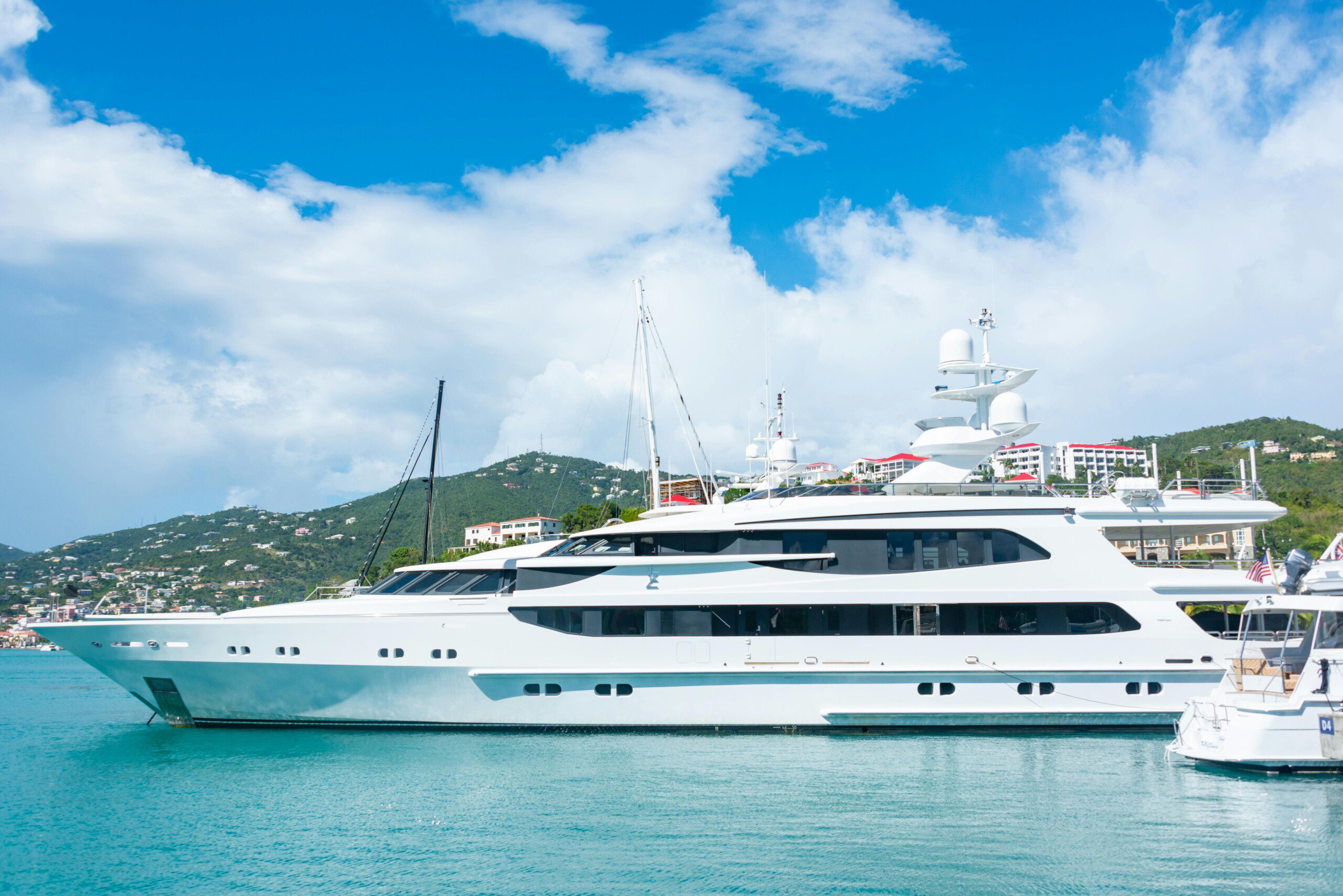
Superyachts are built to offer freedom, privacy, and unforgettable experiences. However, with the rise in the number of superyachts around the world and the expansion of cruising grounds, the dangers associated with the safety and well-being of crew and guests are changing quickly. From physical danger to cyber attacks, a different and much more considered approach is required for safety and protection.
Here, we’ll consider the realities that superyachts need to face and provide a set of best practice steps that ensure safety without disrupting onboard living.
Why Superyacht Security Matters More Than Ever
There has been a steady rise in the number of superyachts in recent years, and it is not uncommon for these vessels to travel into the more distant reaches of cruising ranges. Out‑of‑the‑way anchorages, new and high-risk cruising areas are not uncommon features of a cruising plan.
On the other hand, yachts are now intelligent environments afloat. With the integration of navigation, satellite communications, entertainment, and in-house networking comes the convenience afforded to yacht owners, however, this is coupled with additional risks to the vessel’s attack surface. Then there are the high-profile guests involved.
Contemporary superyacht security has, therefore, evolved to be far more than just one strategy or one physical officer on board. It’s about recognising where physical, digital, and human risks converge and designing comprehensive security layers to support both superyacht security and experience.
Modern Threats Facing Superyachts Today
The threats to the crew and passengers generally pertain to a few broader categories that demand a different approach for each one.
Physical Security Threats
Unauthorised boarding, trespassing, and opportunistic theft are ever-present threats, especially within heavily utilised marinas or unattended anchorages. In other parts of the world, crime syndicates and pirates are dangers that need to be considered, especially while cruising or operating at slower speeds.
However, shore transfers may bring about vulnerability too. Crew movement activities, guest outings, and other stops are normally carried out in surroundings that differ significantly from the security levels created on the ships.
Geopolitical and Regional Risks
A politically unstable environment, civil unrest, and regional conflict can quickly alter the risk profile of a specific cruising area. A particular maritime route and/or coastal area needs to be planned for while taking into consideration intelligence and mitigation strategies.
Revised threat assessments and route-planning information are crucial when traversing alien or high-risk areas, enabling captains to make informed decisions before crises arise.
Social Engineering and Human Risk
Not all the dangers are from outside the ship. Crew members could be attacked for information or credentials, while well-intentioned communication on the shore could accidentally leak key information.
Social media is also a contributing factor. Location tagging, updates, or postings as a guest may reveal movements, habits, and important resources to unwanted observers.
Superyacht Cyber Security Threats
Cyber risks have become a known factor in the safety context on board. Navigation equipment can be affected either through GPS spoofing or interference with ECDIS displays. Entertainment systems and IT systems can serve as entry points into other systems of greater importance.
Ransomware attacks, data breaches, or even attacks on guest communications or financial data are growing concerns. Good superyacht cyber security is as much concerned with the preservation of privacy as with the preservation of functionality.
Best Practice Safety Measures for Crew and Passenger Protection
Effective protection requires a balance between reasonable procedures, qualified personnel, and appropriate technology.
Strengthening Physical Security Onboard
Clear access control is essential in physical security. This involves fixed points for borders, a controlled tendering process, and clear identity verification systems.
Surveillance systems, lighting, and perimeter security should be engineered to enhance crew awareness rather than automate it. Regular patrols, along with well-defined escalation procedures, will go a long way in detecting any unusual activity early.
Effective emergency response plans are also vitally important. Every person on board will have a role to play in a security incident, whether it be a boarding attempt or a situation unfolding on shore.
Implementing Robust Cyber Security Protocols
Cyber resiliency requires familiarity with the ship’s systems and processes, such as vulnerability scanning to uncover vulnerabilities before they are exploited by hackers.
Segregation of the network is a critical requirement, with the guest network maintained separately from the personnel network. Good password discipline and endpoint protection are adopted to limit exposure.
In highly sensitive parts of the network, reducing the use of Wi-Fi connectivity and upholding more stringent access controls may offer a huge difference. Cyber security drills must be incorporated along with physical security exercises.
Onboard Safety Procedures for Passengers
Passengers are also involved in safety, but without necessarily realising it. Briefing passengers upon departure is an important way to set standards without diminishing the holiday experience.
With simple communications guidelines, shore movement, and personal privacy, potential risks can be diminished in the high-risk areas. Data protection and confidentiality are other integral parts of modern yachting security.
Superyacht Crew Training: The Foundation of Effective Security
Technology and procedures are only effective if the people using them understand them. Crew training on superyachts increases consistency and confidence aboard the vessel.
Scenario-based training in piracy response, illegal boarding, cyber events, and medical emergencies enables the crew to respond automatically in high-pressure situations. Whenever there are new threats or new crew members, refresher training can be undertaken.
Technology and Systems That Enhance Superyacht Security
If properly implemented, the modern systems provide yet another protective layer.
Integrated Superyacht Security Systems
CCTV cameras, motion sensing, radar, and AIS systems may enable early warning and enhanced situational awareness. Secure access systems may also facilitate management of sensitive zones without erecting unnecessary hurdles.
Properly designed yacht security systems should be seamlessly integrated with the operations of the yacht and support the crew rather than burdening them with notifications.
Cyber-Secure Onboard Technology
“Hardened” communication systems, “secured” satellite communications, and “encrypted” customer networks are now viewed as expected norms. “Remote monitoring” enables issues to be corrected before impacting either service or safety.
Intelligence and Monitoring Services
With live intelligence feeds, risk updates relevant to specific ports, and real-time alerts, captains are in a position to make informed decisions. Real-time monitoring becomes especially helpful during long voyages or when operating in new territories.
How Professional Security Partners Strengthen Safety at Sea
The issue of dealing with all this within an organisation might prove to be a challenge, particularly for ships with an international presence.
Securewest International offers owners, captains, and managers a bespoke maritime risk management service, carried out either on board or ashore. They offer everything from a discreet Superyacht Security Audit and cyber vulnerability assessment to a crew training course and a voyage risk assessment.
In view of its worldwide monitoring capacity and intelligence network, Securewest plays a supporting role throughout the journey. This strategy also guarantees the efficiency of the superyacht security system as it always works unobtrusively.
Learn more about Securewest’s wider maritime capability on our Maritime Security Services page, or explore our dedicated Superyacht Risk Management offering. Our intelligence‑led approach is detailed further within our Intelligence Services.
A Proactive Approach to Superyacht Safety Pays Off
Risks are also changing at sea, and it is a danger to base decisions solely on outdated assumptions. The key to overcoming these threats is to balance physical, cyber, and personnel-related factors.
Best practice investments, therefore, provide protection for people, assets, and reputation, while enabling owners and guests to enjoy their lives on board. With careful planning, yacht security becomes an enabler, not a barrier.If you’d like to discuss how Securewest can support your vessel with tailored security for superyacht operations, you can Request a Demo or speak directly with our maritime specialists.